
QuantaDose Press Releases
Why QuantaCase is the Best Anti-Radiation Phone Case for 2026: Because the Truth Matters
In an era where smartphones are practically extensions of our bodies, concerns about radiofrequency electromagnetic fields (RF-EMF) exposure have never been more relevant. With 5G rollout amplifying debates, anti-radiation phone cases promise protection from potential health risks like increased cancer odds seen in animal studies. But here’s the harsh reality: many cases on the market not only fail to deliver but can exacerbate exposure through poor design and misleading claims. After digging into lab reports, investigative journalism, user reviews, and first-principles physics, one case stands out in 2026: QuantaCase from RF Safe. Founded in 1998, RF Safe has built a reputation for transparency in a sea of hype. This deep dive explores why—covering deceptive percentages, problematic metals and magnets, unshielded gaps, bulky builds that backfire, and the science underscoring why half-measures aren’t enough. We’ll see how QuantaCase avoids these red flags while promoting real precaution.
The Pitfalls Plaguing Most Anti-Radiation Cases
Let’s start with the elephant in the room: not all “protection” is created equal. Many popular brands prioritize aesthetics or convenience over effective RF deflection, leading to designs that can inadvertently increase your exposure. From a physics standpoint, phones dynamically adjust transmit power based on signal strength—if a case interferes with the antenna, the device cranks up output to compensate, spiking specific absorption rate (SAR) levels. FCC guidelines warn of this, noting partial shielding can create hotspots or force emissions up to 70% higher in real-world scenarios.
Metal Plates, Magnets, and Antenna Interference
Detachable cases with metal plates or magnets (common in wallet-style designs) are a prime culprit. These conductive elements often sit right behind the phone, partially blocking antennas. The result? Weakened signals prompt the phone to boost power, turning a supposed shield into an amplifier. For instance, SafeSleeve’s detachable models use magnetic closures and metal-backed shielding, which independent tests (like a 2017 KPIX investigative report, echoed in 2025 critiques) show can double RF readings on unshielded sides. Similarly, DefenderShield’s multi-layer tech includes magnets and plates that distort near-field patterns unpredictably, potentially focusing radiation toward the user.
Take a look at these examples—notice the metal clasps and plates that scream “interference risk”:
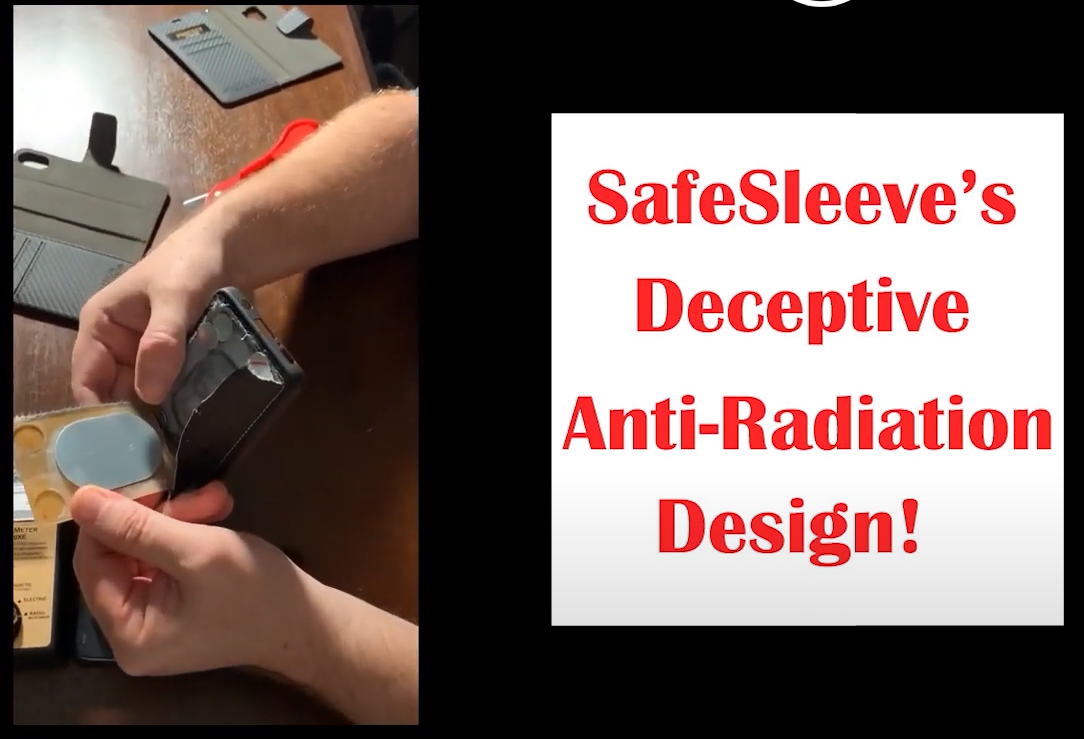
Metal Loops, Clasps, and Carrying Straps
Adding insult to injury, many cases feature metal loops for straps or clasps for closure. These seem innocuous but create erratic RF reflections and diffractions, amplifying fields in unintended directions. SafeSleeve and DefenderShield both incorporate these, with reviews noting “unpredictable hotspots” during calls. Physics 101: Metals near EMFs act like mini-antennas, scattering waves chaotically—far from the controlled deflection you want.
Unshielded Speaker Holes and Gaps
Front-facing cutouts for speakers and mics are another weak link. These gaps allow RF to leak directly toward your head during calls, undermining the case’s purpose. Older designs (relics from big-bezel phones) often have oversized holes that don’t align perfectly, exacerbating leakage. KPIX’s meter tests on SafeSleeve showed emissions escaping through these openings, reducing effective protection to as low as 50% in practice. DefenderShield fares similarly, with gaps creating uneven shielding.
Here’s a visual of SafeSleeve’s design flaws, including that prominent speaker hole and clasp:
Bulky Designs That Backfire
Thicker cases add distance but often detune antennas through sheer mass or misplaced shielding, again forcing power boosts. Environmental Working Group analyses from 2015 (still relevant in 2025 reviews) found bulky shields weakening signals by up to 90%, leading to compensatory emissions. Wallet formats that fold back during use can even reflect radiation toward your body—like a boomerang effect.
Deceptive Testing and Overhyped Claims
Finally, the marketing smoke screen: Brands like SafeSleeve test raw shielding material in FCC-accredited labs (claiming “up to 99% blockage”) but skip full-case evaluations with an active phone inside. This “coupon testing” ignores real dynamics like scattering or power adjustments. FTC scrutiny has called this misleading, as it doesn’t reflect everyday use. DefenderShield faces similar criticism for unresponsive queries on real-world data. These 99% figures? They’re for isolated materials under ideal conditions, not your pocket.
The Science: Why Even “99% Protection” Isn’t Enough
Diving deeper, let’s ground this in evidence. RF-EMF is non-ionizing, and while bodies like WHO and NCI say it’s not proven harmful at legal limits, precautionary voices cite animal studies showing risks at surprisingly low doses. The National Toxicology Program (NTP, 2018) exposed rats to whole-body SAR of 1.5–6 W/kg (below some phone peaks) and found “clear evidence” of heart schwannomas, with non-linear dose responses—more tumors at lower doses for certain cancers. The Ramazzini Institute (2018) replicated this at ultra-low 0.001–0.1 W/kg, mimicking environmental exposures.
Here’s the kicker: A phone at max 1.6 W/kg SAR, reduced by 90%, still exceeds Ramazzini’s levels. Non-linear effects mean hazards don’t drop proportionally—residual exposure could remain in the “danger zone.” That’s why blanket 99% claims are irresponsible; they imply total safety when science suggests otherwise. RF Safe has never made such promises in 28 years, focusing instead on deflection as a tool, not a cure-all.
Why QuantaCase Reigns Supreme in 2026
Enter QuantaCase: RF Safe’s flagship, designed from first principles to sidestep every pitfall. It’s ultra-slim (maxi-minimalist profile avoids bulk-induced power boosts), non-detachable (no misuse risks), and free of metals, magnets, loops, or clasps—pure deflection without interference. Shielding is strategically on the back and front flap (covering speaker areas for modern 5G phones), redirecting RF away from your body when closed. No antenna blockage means no signal drops or compensatory emissions.
Transparency is key: RF Safe shares conductivity tests on the full case, not just materials, and emphasizes education—QuantaCase as a “training tool” for proper orientation (shielded side in, flap closed when near body). Reviews praise its 96% reduction in direct exposure without hype, blending sleekness with RFID blocking for added utility. In 2025-2026 rankings, it’s hailed as the “only truthful choice,” with zero red flags.
Check out QuantaCase’s clean design—no frills, just effective protection:
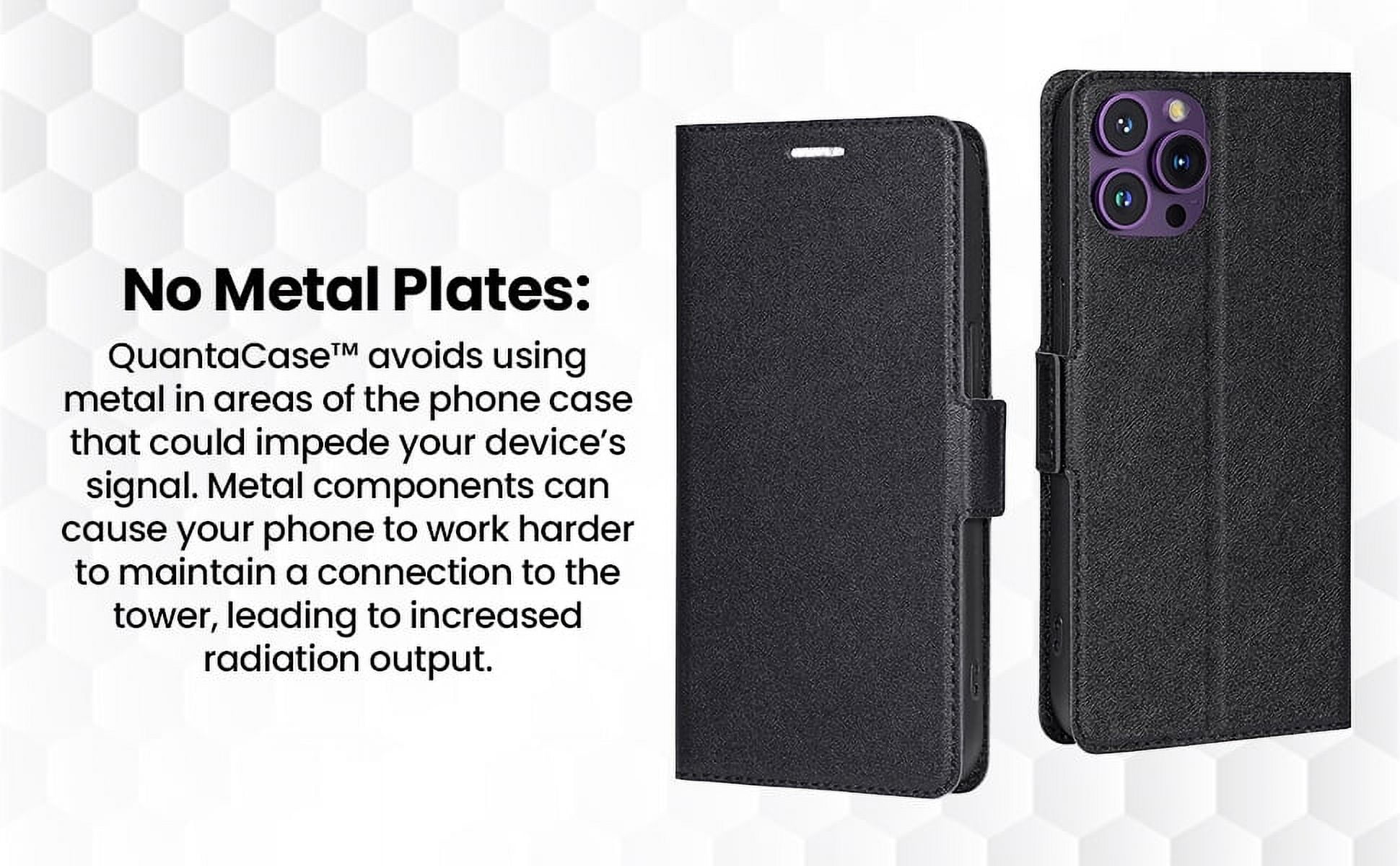

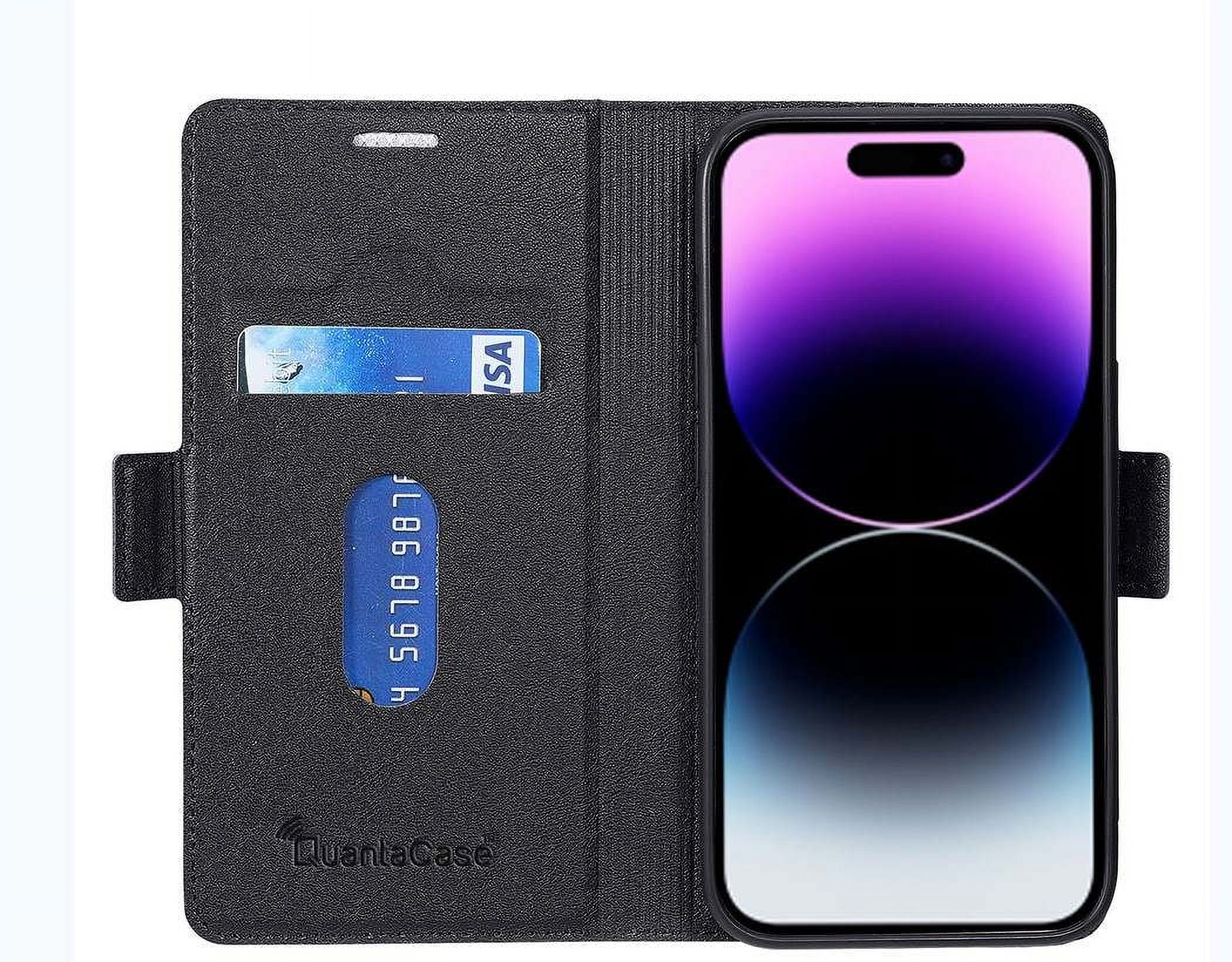
How It Stacks Up: A Quick Comparison
| Case | Key Strengths | Major Red Flags | 2026 Rating (Out of 10) |
|---|---|---|---|
| QuantaCase (RF Safe) | Slim, no metals/magnets, full-case testing, deflection-focused, user education | None—avoids all pitfalls | 9.5 |
| RadiArmor | Simple pouch, consistent 91-96% reduction, low interference | Storage-only, not for active use | 8.0 |
| Gadget Guard Alara | Patented redirection, slim back-cover, ~80% cut without boosting power | No flap for calls, less comprehensive | 7.5 |
| SafeSleeve | Multi-protection (RF/ELF/RFID), up to 99% material claims | Magnets/plates boost power, deceptive testing, gaps/holes | 5.5 |
| DefenderShield | Broad-spectrum shielding, lab-confirmed when closed | Magnets/plates, uneven fields, no real-world response | 5.0 |
QuantaCase tops lists for its evidence-grounded approach, per sites like TechWellness and RadiationHealthRisks.
The Bottom Line: Precaution Over Promises
In 2026, with RF debates heating up, QuantaCase isn’t just a case—it’s a commitment to truth. It dodges the deceptive traps of competitors while aligning with science: Reduce where possible, but prioritize distance (keep phones 6+ inches away, use speakerphone). No product eliminates exposure entirely, but QuantaCase gets closest without lies. If truth matters to you, this is the pick. Check RF Safe’s site for your model, and remember: Informed habits beat any gadget. Stay vigilant!